
 EN
EN


 EN
EN
Mar 03, 2026
The sodium-ion backup battery offers a promising cost-stable alternative to lithium batteries. As the demand for energy storage solutions grows, it\'s important to find options that are not only efficient but also affordable. Lithium-ion batteries have dominated the market, but they come with several challenges, including fluctuating costs and resource scarcity. Sodium-ion technology provides a fresh approach by utilizing abundant resources and delivering competitive performance. This shift could change the landscape of energy storage and help address issues related to sustainability and availability.
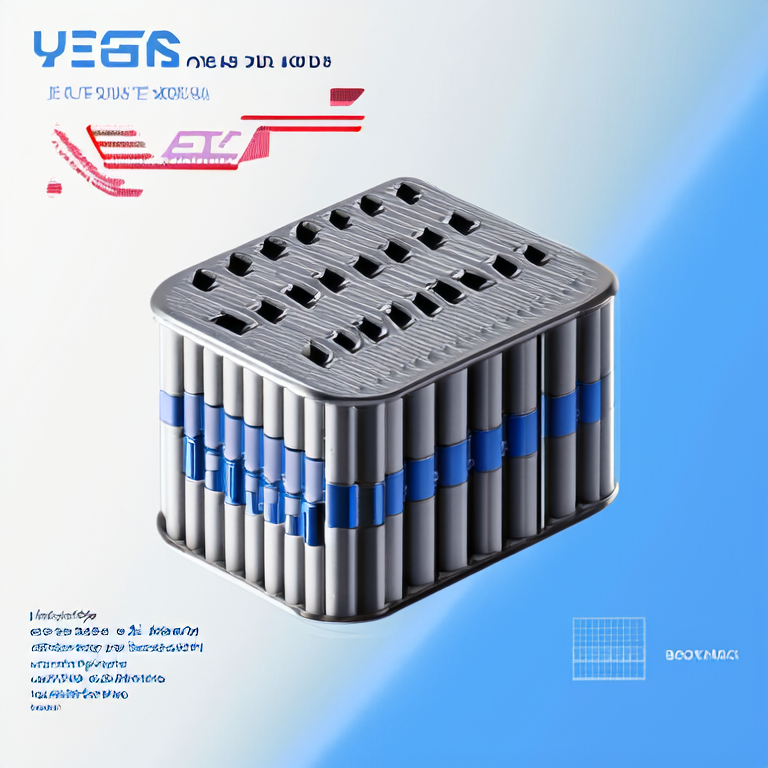
Sodium-ion batteries are a cost-stable alternative to lithium batteries due to their use of abundant materials, lower production costs, and effective performance in energy storage applications.
Sodium-ion batteries typically cost less to produce than lithium-ion batteries. The major components are cheaper and more abundant.
Sodium is widely available and can be extracted from common salt, unlike lithium, which requires mining and is subject to price fluctuations.
Recent advancements in sodium-ion technology have enhanced their energy density and efficiency, making them comparable to lithium alternatives.
By utilizing environmentally friendly materials, sodium-ion batteries reduce the ecological footprint associated with battery production.
The production of sodium-ion batteries is scalable, meaning they can be manufactured in larger quantities without significant increases in costs.
The sodium-ion backup battery is a game changer in energy storage technology. Its cost-stable nature, combined with the availability of resources, makes it a viable alternative to lithium batteries. By focusing on sustainable practices and efficient performance, sodium-ion technology could play a crucial role in meeting future energy demands.
What is a sodium-ion battery?
A sodium-ion battery is a type of battery that uses sodium ions as charge carriers. They are designed to be a more affordable and sustainable alternative to lithium-ion batteries.
How do sodium-ion batteries compare to lithium batteries?
Sodium-ion batteries are generally cheaper and use more abundant materials. However, lithium batteries currently offer higher energy density, though sodium technology is improving rapidly.
Are sodium-ion batteries environmentally friendly?
Yes, sodium-ion batteries have a lower environmental impact due to the use of abundant materials and less harmful production processes.
Dedicated to providing the optimum materials and solutions regarding to different projects
Each battery can be customized in terms of voltage, capacity, dimensions, and enclosure design, ensuring optimal performance and compatibility for each specific use case.