
 EN
EN


 EN
EN
Mar 02, 2026
Sodium-ion backup batteries are becoming important in the world of energy solutions. As we transition to renewable energy, we face challenges in energy storage. Traditional batteries, like lithium-ion, have limitations such as high costs and resource scarcity. Sodium-ion batteries use abundant materials, making them more sustainable. This is crucial for addressing the growing energy needs without harming the environment. Schools and homes alike are looking for reliable, long-term energy solutions.
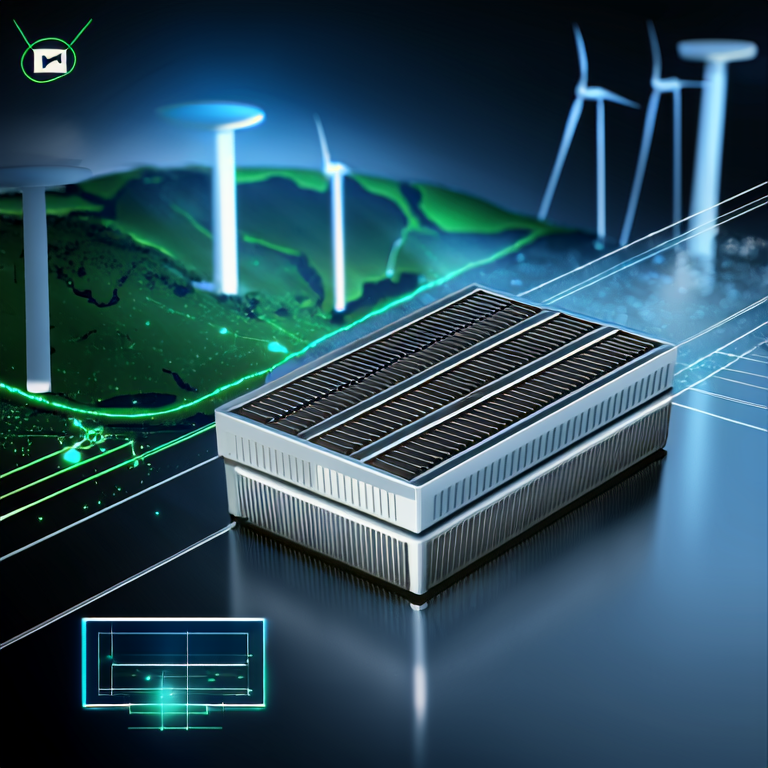
Sodium-ion backup batteries support long-term energy transition by providing a cost-effective, sustainable, and reliable energy storage solution.
Sodium-ion batteries are cheaper to produce than lithium-ion batteries. This is mainly because sodium is abundant and widely available. The production costs are lower, which can lead to affordable energy solutions for all.
Sodium-ion batteries have a smaller environmental footprint. They do not rely heavily on rare minerals, reducing the impact on ecosystems. This aligns with the goals of sustainable development and clean energy.
These batteries can perform well in a wider range of temperatures. This makes them suitable for various climates, from hot deserts to cold regions, ensuring reliable energy storage everywhere.
The chemistry involved in sodium-ion batteries is similar to that of lithium-ion batteries. Sodium ions move between the positive and negative electrodes during charge and discharge cycles. This movement generates energy, making the battery useful for storage.
Charging a sodium-ion battery involves connecting it to a power source. This source can come from solar panels or wind turbines. The energy flows through the battery, allowing sodium ions to accumulate on the negative electrode.
During discharging, the stored energy is released. Sodium ions move back to the positive electrode, producing electricity. This can power homes, schools, or electric vehicles.
| Feature | Sodium-Ion | Lithium-Ion |
|---|---|---|
| Cost | Lower | Higher |
| Environmental Impact | Minimal | Significant |
| Temperature Tolerance | Wider range | Narrower range |
Sodium-ion backup batteries offer a promising path for the long-term energy transition. They are cost-effective, environmentally friendly, and perform well in various conditions. By adopting these batteries, we can support the shift to sustainable energy solutions that empower communities and protect our planet.
Sodium-ion batteries are made primarily of sodium, which is abundant and inexpensive. They also use similar materials found in lithium-ion batteries, but in different chemical configurations.
Yes, sodium-ion batteries are considered safe for use. They are less prone to overheating compared to some lithium-ion batteries, which enhances their overall safety profile.
With proper usage, sodium-ion batteries can last several years, similar to lithium-ion batteries. Their lifespan depends on factors such as charge cycles and temperature conditions.
Dedicated to providing the optimum materials and solutions regarding to different projects
Each battery can be customized in terms of voltage, capacity, dimensions, and enclosure design, ensuring optimal performance and compatibility for each specific use case.