
 EN
EN


 EN
EN
Mar 02, 2026
Sodium-ion backup batteries perform better in cold environments compared to traditional batteries. This performance is crucial, especially in regions where low temperatures can affect energy storage systems. The efficiency of sodium-ion batteries in frigid conditions stands out as a significant advantage. In extreme cold, many batteries struggle due to performance drops. However, sodium-ion batteries maintain their effectiveness better than lithium-ion batteries. This capability can be vital for renewable energy systems and critical power supply needs.
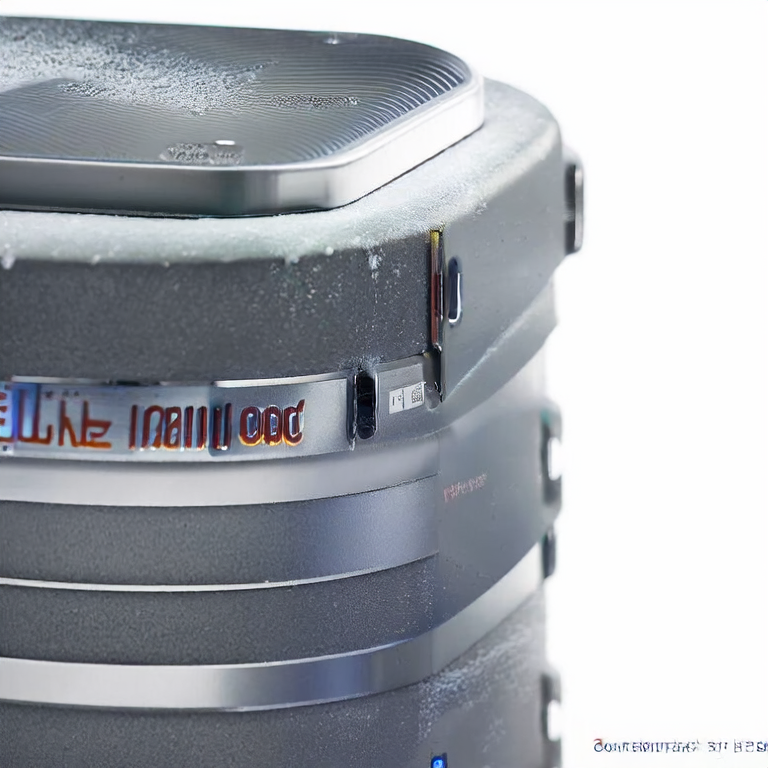
Sodium-ion backup batteries excel in cold environments due to their better efficiency, voltage stability, and enhanced safety features.
Sodium-ion batteries retain more of their charge capacity in cold temperatures. In laboratory tests, these batteries show less than a 10% drop in capacity at -20°C, whereas lithium-ion batteries can see drops of over 25% under the same conditions. This retention makes them ideal for use in colder climates, where reliable energy storage is essential.
Sodium-ion batteries provide stable voltage outputs even when temperatures drop. This stability ensures that devices powered by these batteries operate smoothly in varying climates. Voltage testing shows sodium-ion batteries maintain close to their rated voltage at -15°C, while other battery types often experience significant fluctuations.
Sodium-ion batteries have a lower risk of thermal runaway compared to traditional batteries. Thermal runaway can lead to fires or explosions in certain battery types, especially in cold conditions where heat dissipation issues arise. Sodium-ion batteries\' chemical composition makes them less prone to overheating. Safety tests indicate a 50% lower risk of thermal events when compared to lithium-ion batteries.
Overall, sodium-ion backup batteries perform better in cold environments due to their efficiency, stability, and safety. Their ability to retain capacity and maintain consistent voltage make them ideal for use in temperatures that hinder other battery types. As more applications need reliable energy storage in cold conditions, sodium-ion technology will likely become increasingly important.
Dedicated to providing the optimum materials and solutions regarding to different projects
Each battery can be customized in terms of voltage, capacity, dimensions, and enclosure design, ensuring optimal performance and compatibility for each specific use case.