
 EN
EN


 EN
EN
Feb 27, 2026
Sodium-ion backup batteries provide a strong alternative to lead-acid batteries. As the demand for energy storage grows, so does the need for better, more efficient solutions. Lead-acid batteries can be heavy and have a shorter life span. Sodium-ion batteries offer similar energy capacities without many of these shortcomings. They are lightweight, environmentally friendly, and can handle deep cycling. This makes them a standout choice for those looking for reliable energy sources.
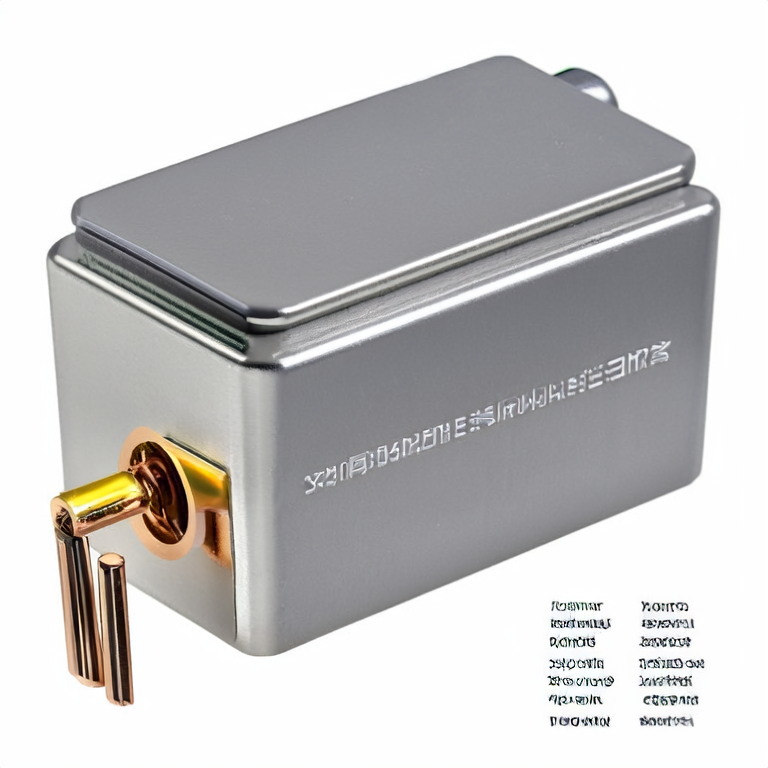
Sodium-ion backup batteries are the best replacement for lead-acid batteries due to their lighter weight, longer life, and higher efficiency.
Sodium-ion batteries are much lighter than lead-acid batteries. This makes them easier to transport and install.
These batteries typically last longer than lead-acid batteries. The average life span can be around 10 years compared to 3-5 years for lead-acid types.
Sodium-ion batteries charge faster and provide more usable power. This is important for backup systems that need to provide energy during outages.
Unlike lead-acid batteries, sodium-ion batteries contain less harmful material. This helps reduce environmental harm.
While sodium-ion batteries may have a higher upfront cost, their longer life and efficiency can make them more cost-effective over time.
| Feature | Lead-Acid Batteries | Sodium-Ion Batteries |
|---|---|---|
| Weight | Heavy | Lightweight |
| Life Span | 3-5 years | Up to 10 years |
| Charging Speed | Slower | Faster |
| Environmental Impact | High | Low |
| Cost Over Time | Higher | Lower |
Sodium-ion batteries are great for storing energy from solar panels. They can hold energy for times when the sun isn\'t shining.
Many businesses use sodium-ion batteries for backup power. They ensure operations continue during outages.
As technology improves, sodium-ion batteries may eventually power electric vehicles, providing a more sustainable option.
Sodium-ion backup batteries are a wise choice over lead-acid batteries. They are efficient, environmentally friendly, and long-lasting. As energy needs continue to evolve, these batteries stand out as the future of energy storage.
The main advantage is their longer life and efficiency in charging and providing power.
Yes, sodium-ion batteries can be recycled, which reduces waste and environmental impact.
Sodium-ion batteries are generally safe and less prone to explosion compared to lead-acid batteries.
Charging times can vary, but they typically recharge faster than lead-acid batteries.
While initial costs can be higher, long-term savings in efficiency and lifespan make them cost-effective.
Dedicated to providing the optimum materials and solutions regarding to different projects
Each battery can be customized in terms of voltage, capacity, dimensions, and enclosure design, ensuring optimal performance and compatibility for each specific use case.