
 EN
EN


 EN
EN
Mar 05, 2026
Sodium-ion backup batteries offer a reliable solution for indoor energy storage. Many people face challenges in finding efficient batteries for home use. Traditional lithium-ion batteries can be costly and sometimes hazardous. Sodium-ion batteries, in contrast, provide a safer, eco-friendly, and cost-effective option. With the growing demand for sustainable energy, these batteries are gaining more attention. Understanding their benefits and applications can help you make an informed decision.
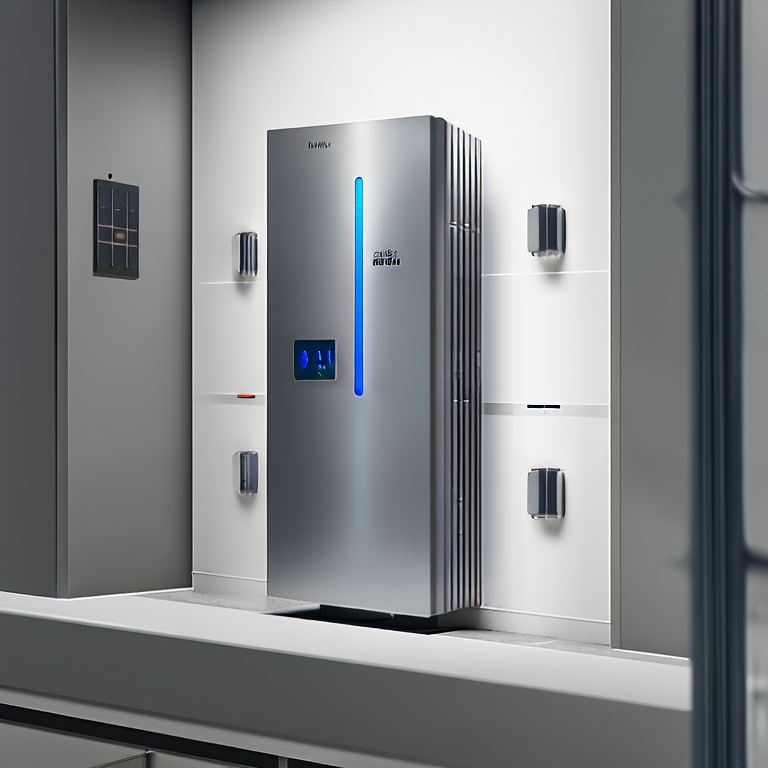
**Sodium-ion backup batteries are ideal for indoor energy storage because they are safe, cost-effective, and environmentally friendly.** They provide a sustainable alternative to traditional batteries and are well-suited for home energy management.
Sodium is more abundant and cheaper than lithium. This makes sodium-ion batteries less expensive to produce. By choosing these batteries, you can save money in the long run.
Sodium-ion batteries have a lower risk of overheating and catching fire. This safety feature makes them ideal for indoor environments where safety is a priority.
Because they use abundant materials, sodium-ion batteries are more sustainable. Their production has a lower environmental impact compared to lithium-ion batteries. This contributes to a greener future.
Recent advancements have improved the energy density of sodium-ion batteries. They can store large amounts of energy in a compact size, making them efficient for indoor use.
Sodium-ion batteries can serve both residential and commercial purposes. They are suitable for solar energy systems, backup power, and more, making them a flexible choice for energy storage.
| Feature | Sodium-Ion Batteries | Lithium-Ion Batteries |
|---|---|---|
| Material Cost | Lower | Higher |
| Safety | Safer | Riskier |
| Environmental Impact | Lower | Higher |
| Energy Density | Moderate | High |
| Applications | Wide | Wide |
Sodium-ion backup batteries are an excellent choice for indoor energy storage. They offer a safe, cost-effective, and environmentally friendly alternative to traditional options. As they continue to evolve, these batteries are likely to play a significant role in our energy future.
The lifespan of sodium-ion backup batteries can be comparable to lithium-ion batteries, typically ranging from 5 to 10 years, depending on usage and conditions.
Yes, sodium-ion batteries can be recycled. Efforts are ongoing to improve recycling processes to make them more efficient.
Sodium-ion batteries generally perform well in both high and low temperatures, but their efficiency can vary depending on specific designs and materials used.
Dedicated to providing the optimum materials and solutions regarding to different projects
Each battery can be customized in terms of voltage, capacity, dimensions, and enclosure design, ensuring optimal performance and compatibility for each specific use case.