
 EN
EN


 EN
EN
Mar 04, 2026
Backup power systems are crucial for ensuring a continuous energy supply during outages. However, traditional battery chemistries can pose fire risks. This problem raises important questions about safety and reliability. Today\'s focus is on sodium ion backup batteries, which promise improved safety. Fire-safe chemistry is essential for any energy storage solution. Knowing how sodium ion batteries work can help you understand their significance in emergency situations.
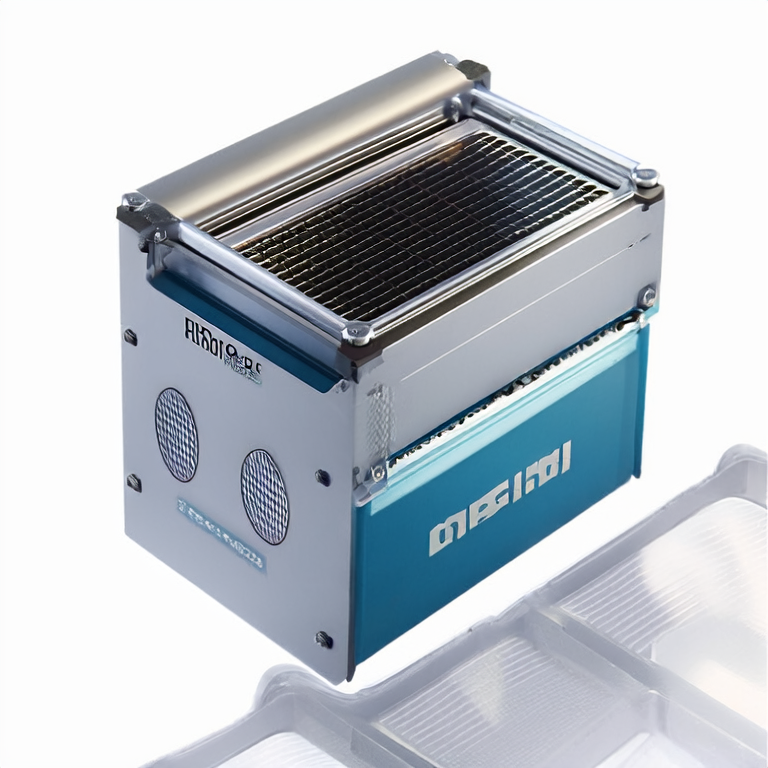
Backup power systems need fire-safe battery chemistry to prevent dangerous incidents and ensure reliability during outages. Sodium ion batteries offer a safer alternative compared to other chemistries.
Sodium ion batteries are designed to withstand high temperatures. They are less likely to catch fire compared to lithium-ion batteries. Studies indicate that sodium ion batteries show significantly lower thermal runaway risk.
These batteries typically have a lifespan of up to 15 years. In contrast, traditional lithium batteries might only last about 10 years. This extended lifespan reduces waste and overall costs for users.
Sodium ion batteries use abundant materials like sodium. This makes them cheaper than lithium alternatives, which rely on rare minerals. Users can save money while benefiting from stable performance.
Sodium is more environmentally friendly than lithium. The extraction and processing of sodium have fewer negative impacts on ecosystems. This contributes to greener backup power solutions.
Sodium ion batteries offer a competitive energy density. This allows them to store more energy in a smaller space compared to other chemistries. With advancements, they may soon rival lithium-ion energy storage solutions.
In summary, backup power systems need fire-safe battery chemistry, and sodium ion batteries provide an optimal solution. Their safety, longevity, cost-effectiveness, sustainability, and energy density make them an ideal choice. Choosing the right battery chemistry is essential for safety and reliability.
1. What are the main advantages of sodium ion batteries?
Sodium ion batteries offer high safety, longer lifespan, cost-effectiveness, and environmental benefits.
2. How do sodium ion batteries compare to lithium-ion batteries?
Sodium ion batteries are generally safer, more sustainable, and potentially more cost-effective than lithium-ion batteries.
3. Are sodium ion batteries widely available?
Sodium ion batteries are still emerging but are gaining traction in the energy storage market.
4. Can sodium ion batteries be used for home backup power?
Yes, they can be used for home backup power systems, providing a reliable and safe energy source.
5. What is the future of sodium ion battery technology?
The technology is evolving quickly, with potential for wider adoption in various applications, including electric vehicles.
6. Are sodium ion batteries recyclable?
Yes, they are recyclable, making them an environmentally friendly option compared to some other battery types.
Dedicated to providing the optimum materials and solutions regarding to different projects
Each battery can be customized in terms of voltage, capacity, dimensions, and enclosure design, ensuring optimal performance and compatibility for each specific use case.