
 EN
EN


 EN
EN
Feb 27, 2026
Sodium ion (Na+) chemistry involves the use of sodium ions in battery technologies, representing a promising alternative to lithium ion (Li+) systems. This technology is gaining traction due to its abundant availability and cost-effectiveness. Understanding Na+ chemistry is crucial for harnessing its potential in backup power systems, particularly as companies seek sustainable and efficient energy storage solutions.
The shift towards sodium-ion batteries is driven by their low environmental impact, lower material costs, and the vast availability of sodium resources compared to lithium. This makes Na+ chemistry a key player in enhancing energy security for backup power applications.
Sodium ion batteries provide several advantages that contribute to their appeal.
Recent studies indicate that sodium ion batteries can achieve efficiencies exceeding 90%, demonstrating a significant advancement in battery technology.
When comparing sodium ion batteries with other technologies, such as lithium ion and lead-acid, several key differences emerge.
| Feature | Sodium Ion | Lithium Ion | Lead-Acid |
|---|---|---|---|
| Cost per KWh | Lower Cost | Higher Cost | Lowest Cost |
| Environmental Impact | Minimal | Moderate | High |
| Cycling Efficiency | 90% | 95% | 80% |
| Energy Density | Medium | High | Low |
Sodium ion batteries provide a balanced mix of cost-effectiveness and sustainability, positioning themselves as a compelling choice for future energy storage needs.
The primary application of sodium ion technology is in backup power systems, where reliability is paramount. Its inherent characteristics make it particularly suitable for such systems.
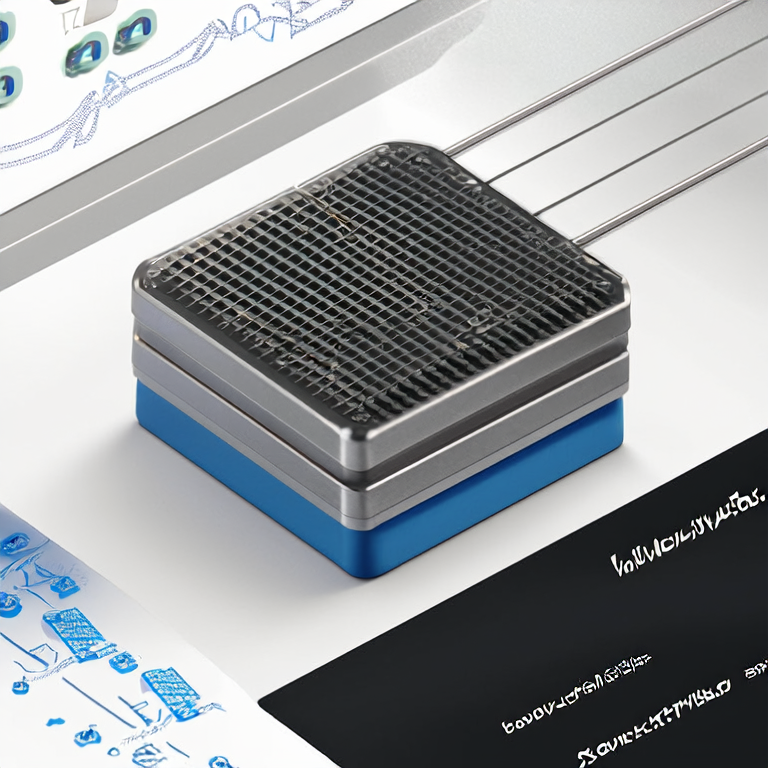
As research and development continue, the future of sodium ion technology looks promising. Increased investment in renewable energy storage could catalyze advancements in Na+ chemistry. In the coming years, we expect further enhancements in energy density, lifecycle, and production efficiency.
Future trends indicate a shift towards commercial adoption, with more industries exploring sodium ion technologies for large-scale energy storage solutions.
Dedicated to providing the optimum materials and solutions regarding to different projects
Each battery can be customized in terms of voltage, capacity, dimensions, and enclosure design, ensuring optimal performance and compatibility for each specific use case.