
 EN
EN


 EN
EN
Mar 03, 2026
Sodium ion backup batteries are becoming popular due to their advanced technology and eco-friendliness. However, selecting the right supplier can be tricky. It is essential to find a reliable company that meets your needs. This article will help you understand the key aspects to consider when choosing a supplier for sodium ion batteries. You will discover why factors like performance, safety, and cost are significant in making your choice.
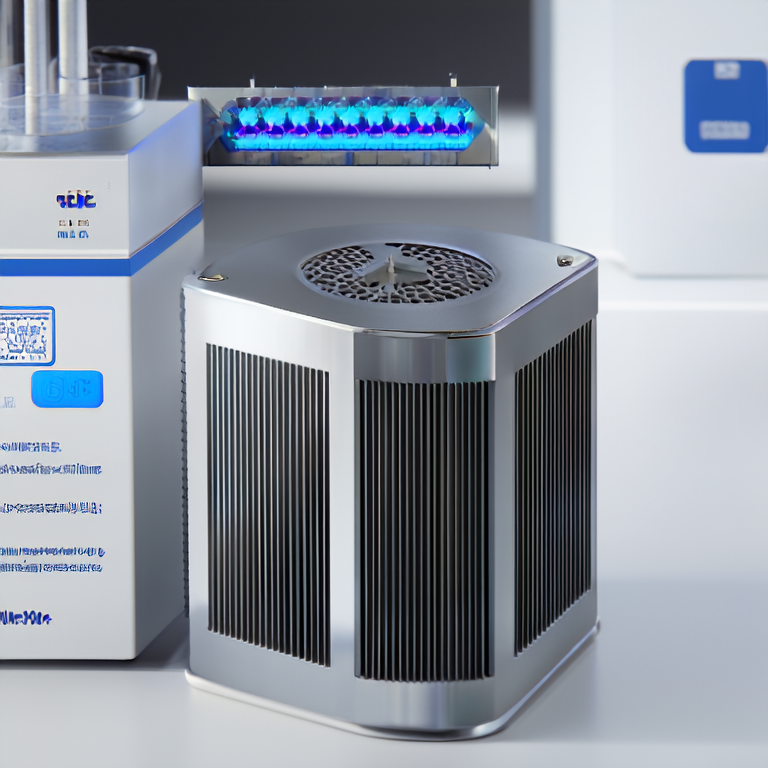
When choosing a sodium ion backup battery supplier, consider factors like product quality, supplier reliability, safety standards, and pricing options.
Understanding the most important aspects can make a big difference in your purchase experience. Here are the main factors:
Check for certifications and safety standards. Look for suppliers that guarantee high-performance batteries with minimal defects.
Research the supplier\'s reputation. Reviews and ratings from other customers can give you a clear idea about their credibility.
Make sure the supplier complies with all safety regulations. Batteries must undergo rigorous testing to ensure they are safe for use.
Compare prices from different suppliers. However, do not compromise on quality for the lower price.
Good customer support is crucial. Choose a supplier that offers assistance during and after your purchase.
| Supplier Name | Product Quality | Reliability Rating | Safety Standards | Pricing | Customer Service Rating |
|---|---|---|---|---|---|
| Supplier A | High | 4.5/5 | Compliant | $$$ | 4.8/5 |
| Supplier B | Medium | 4.0/5 | Compliant | $$ | 4.2/5 |
| Supplier C | High | 4.7/5 | Compliant | $$$$ | 4.9/5 |
Here is a simple step-by-step process to help you select a supplier:
Choosing the right sodium ion backup battery supplier can greatly impact your experience. Focus on product quality, reliability, safety standards, and customer service. With the right information, you can make a good decision that benefits you.
A sodium ion backup battery stores energy and provides power during outages.
Sodium ion batteries are more abundant and often safer than lithium-ion options.
With proper maintenance, they can last several years.
Yes, when made by reputable suppliers that follow safety standards.
Prices vary but usually range from $200 to $500, depending on specifications.
Dedicated to providing the optimum materials and solutions regarding to different projects
Each battery can be customized in terms of voltage, capacity, dimensions, and enclosure design, ensuring optimal performance and compatibility for each specific use case.