
 EN
EN


 EN
EN
Feb 27, 2026
Sodium-ion backup batteries are gaining attention for their unique advantages in energy storage. With the rising demand for renewable energy storage, these batteries offer a viable option compared to traditional lithium-ion alternatives. Many people wonder about the specific uses of sodium-ion batteries in daily life and industry. Understanding their applications can help consumers make informed decisions about energy solutions. The low cost and environmental benefits of sodium-ion technology position it as a key player in energy storage solutions.
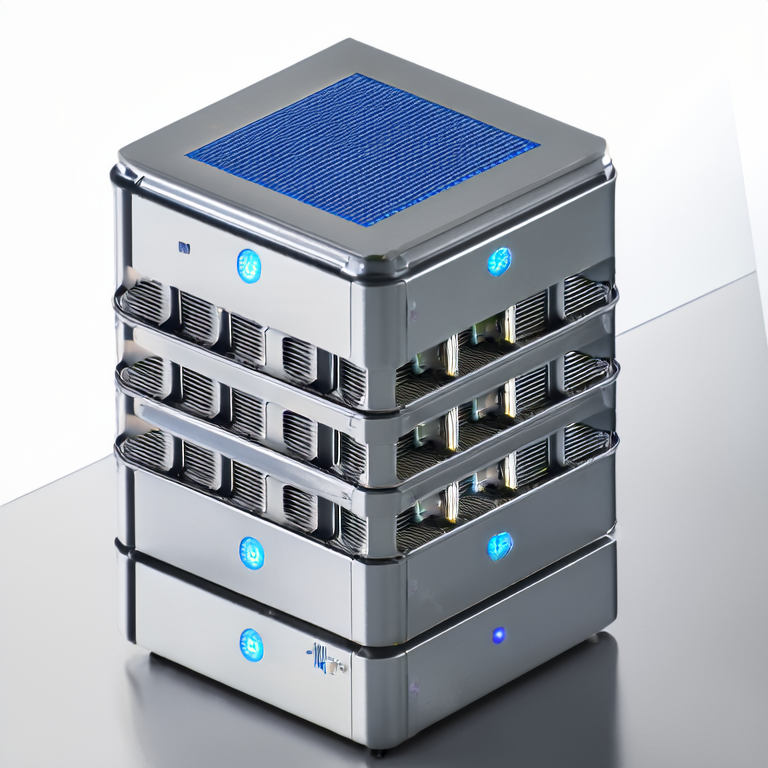
Sodium-ion backup batteries are primarily used for energy storage, renewable energy applications, and powering backup systems during outages. They provide reliable power solutions across various sectors, including residential, commercial, and industrial applications.
Sodium-ion batteries play a crucial role in storing energy from renewable sources like solar and wind. This storage ensures a steady energy supply even when production is low.
These batteries are essential for backup power systems. They ensure that critical devices remain operational during power outages, making them indispensable for hospitals and data centers.
Sodium-ion technology is being explored for use in electric vehicles. These batteries may provide a more sustainable and cost-effective alternative to conventional lithium-ion batteries.
Utilities use sodium-ion batteries to help stabilize electrical grids. They can manage fluctuations in energy demand and supply, improving overall grid reliability.
Telecommunications companies use sodium-ion batteries to ensure continuous power for their systems. This application is vital for maintaining communication networks during outages.
In summary, sodium-ion backup batteries are essential for various applications, including renewable energy storage, backup power systems, electric vehicles, grid stabilization, and telecommunications. Their efficiency and cost-effectiveness make them a promising option for future energy solutions.
Sodium-ion batteries are generally more environmentally friendly and cost-effective compared to lithium-ion batteries.
While they offer several benefits, sodium-ion batteries are still under research and development to match the performance of lithium-ion batteries in some applications.
The lifespan of sodium-ion batteries varies but is expected to be comparable to lithium-ion batteries, lasting several years with proper care.
Many companies sell sodium-ion batteries for commercial and residential use, and they are increasingly available in renewable energy markets.
Dedicated to providing the optimum materials and solutions regarding to different projects
Each battery can be customized in terms of voltage, capacity, dimensions, and enclosure design, ensuring optimal performance and compatibility for each specific use case.