
 EN
EN


 EN
EN
Mar 05, 2026
Sodium-ion batteries are becoming a popular option for long-term backup solutions. Many people wonder about their effectiveness compared to gel batteries. As power outages become more common, choosing the right battery is crucial. Sodium-ion batteries offer several advantages, such as better sustainability and lower costs. But how do they stack up against gel batteries? Understanding these differences can help you make an informed decision.
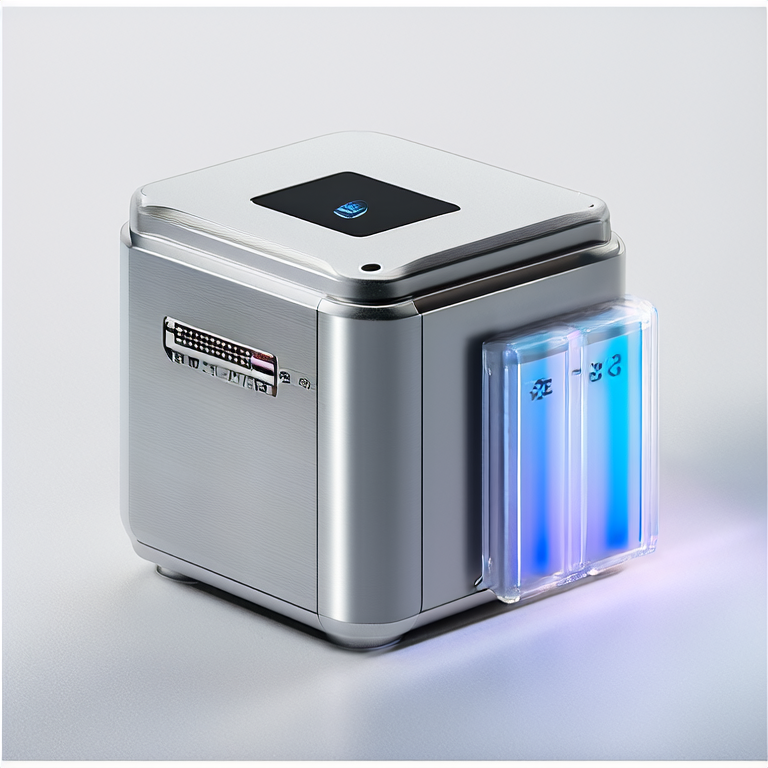
When comparing sodium-ion and gel batteries for long-term backup, sodium-ion batteries often outperform gel batteries in cost, sustainability, and efficiency.
Sodium-ion batteries provide a higher energy density compared to some gel batteries. This means they can store more energy in a smaller space, which is important for backup solutions.
They are made from abundant materials, making them more environmentally friendly. Traditional batteries often rely on scarce materials like lithium.
Sodium-ion batteries also have good charge and discharge efficiencies, which keeps the cost of electricity lower in the long run.
Gel batteries usually have a lower initial cost. This can be attractive for individuals or businesses on a tight budget.
However, gel batteries may require more frequent maintenance. This can increase long-term costs despite their lower upfront price.
Gel batteries are often used in specific applications like RVs, which may make them preferable for certain consumers.
Sodium-ion batteries have good thermal stability. They are less likely to catch fire or explode compared to some lithium-ion alternatives.
Gel batteries carry a risk of acid leakage. This can be hazardous in certain environments, especially if the battery is damaged.
Overall, sodium-ion batteries are generally considered safer for long-term use due to their robustness and lower risk profiles.
Sodium-ion batteries can have a longer cycle life than gel batteries. They often last longer under extensive charge and discharge cycles.
As they age, gel batteries can lose capacity faster than sodium-ion batteries. This can affect long-term backup reliability.
Most manufacturers offer better warranties for sodium-ion batteries, reflecting their confidence in longevity and durability.
In summary, when considering sodium-ion vs gel batteries for long-term backup, there are significant advantages to sodium-ion batteries. They offer greater sustainability, efficiency, and safety, making them an excellent choice for backup power solutions. Understanding these strengths helps consumers make better-informed decisions based on their specific needs.
What are sodium-ion batteries made of? Sodium-ion batteries are composed primarily of sodium, which is abundant in nature, making them more sustainable.
Are gel batteries worth the investment? Gel batteries can be cost-effective for certain applications, but long-term reliability may favor sodium-ion solutions.
How long do sodium-ion batteries last? The lifespan can vary; however, sodium-ion batteries often have a longer cycle life than gel batteries.
Is safety a concern with either battery type? Sodium-ion batteries are generally considered safer, with less risk of overheating or leakage.
Which battery is better for renewable energy storage? Sodium-ion batteries are typically better suited for renewable energy storage due to their efficiency and longer lifespan.
Can I use sodium-ion batteries in existing systems designed for gel batteries? It is essential to check compatibility. You may need modifications to use sodium-ion batteries in systems designed for gel batteries.
Dedicated to providing the optimum materials and solutions regarding to different projects
Each battery can be customized in terms of voltage, capacity, dimensions, and enclosure design, ensuring optimal performance and compatibility for each specific use case.