
 EN
EN


 EN
EN
Mar 04, 2026
Sodium-ion backup batteries are emerging as a viable alternative to AGM batteries in backup power applications. These new batteries promise benefits like lower costs, enhanced safety, and better environmental sustainability. Many users are curious about these advantages and whether sodium-ion batteries can meet their power needs effectively. In this discussion, we will compare sodium-ion and AGM batteries for backup uses. What factors make one better than the other? Why should you consider switching to sodium-ion technology? 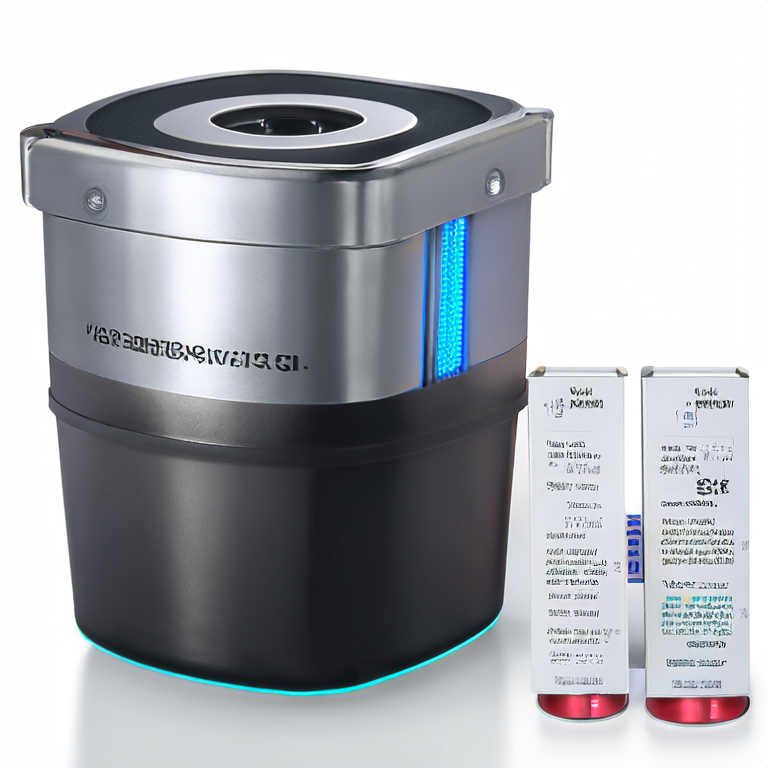
Sodium-ion batteries generally offer lower costs and environmental benefits compared to AGM batteries. While AGM batteries are currently popular, sodium-ion technology is gaining traction due to its potential for better performance and sustainability.
Understanding the differences between sodium-ion and AGM batteries can help you make an informed choice.
Sodium-ion batteries use sodium ions to store energy. In contrast, AGM (Absorbent Glass Mat) batteries use lead and sulfuric acid. Sodium is abundant and can be cheaper than lead.
Sodium-ion batteries can be lighter and more compact than traditional AGM batteries, making them easier to handle and install.
Sodium-ion batteries often charge faster than AGM batteries. This can be crucial for users needing quick power restoration.
When evaluating performance, several metrics are critical:
Sodium-ion batteries can achieve an energy density of about 150 Wh/kg, while AGM batteries typically range from 30 to 50 Wh/kg.
The cycle life of sodium-ion batteries is expected to exceed 3000 cycles. AGM batteries have a shorter cycle life, often around 500 to 1000 cycles.
Cost is a significant factor in battery selection:
Sodium-ion batteries are often more affordable upfront. AGM batteries can be pricey due to their lead content.
Due to their longer life cycle, sodium-ion batteries can save money over time as they will need less frequent replacement.
Environmental factors are increasingly vital in battery choice:
Sodium-ion batteries use materials that are more sustainable than those in AGM batteries. Sodium is widely available, while lead poses recycling challenges.
Recycling sodium-ion batteries is less complex than recycling AGM batteries, further enhancing their environmental appeal.
Choosing between sodium-ion and AGM batteries for backup power applications involves many factors. Sodium-ion batteries seem to be a promising option due to their low costs and environmental benefits. An informed decision can lead to better efficiency and sustainability for your backup power needs.
Yes, sodium-ion batteries are generally safe and are considered less hazardous than AGM batteries.
Sodium-ion batteries can last for life cycles beyond 3000 cycles, depending on usage.
They can be used in various applications, including renewable energy systems and backup power solutions.
AGM batteries are reliable but may not match the long-term benefits of sodium-ion batteries.
Dedicated to providing the optimum materials and solutions regarding to different projects
Each battery can be customized in terms of voltage, capacity, dimensions, and enclosure design, ensuring optimal performance and compatibility for each specific use case.