
 EN
EN


 EN
EN
Mar 06, 2026
The sodium ion backup battery is emerging as a strong contender against the traditional lead-acid battery. Many people are curious about the differences between these two battery types. Sodium ion batteries could offer a more sustainable and efficient solution. In contrast, lead-acid batteries have been a long-standing choice, especially for backup power. However, they come with drawbacks such as lower energy density and environmental concerns. So, can sodium ion replace lead-acid batteries in the future?
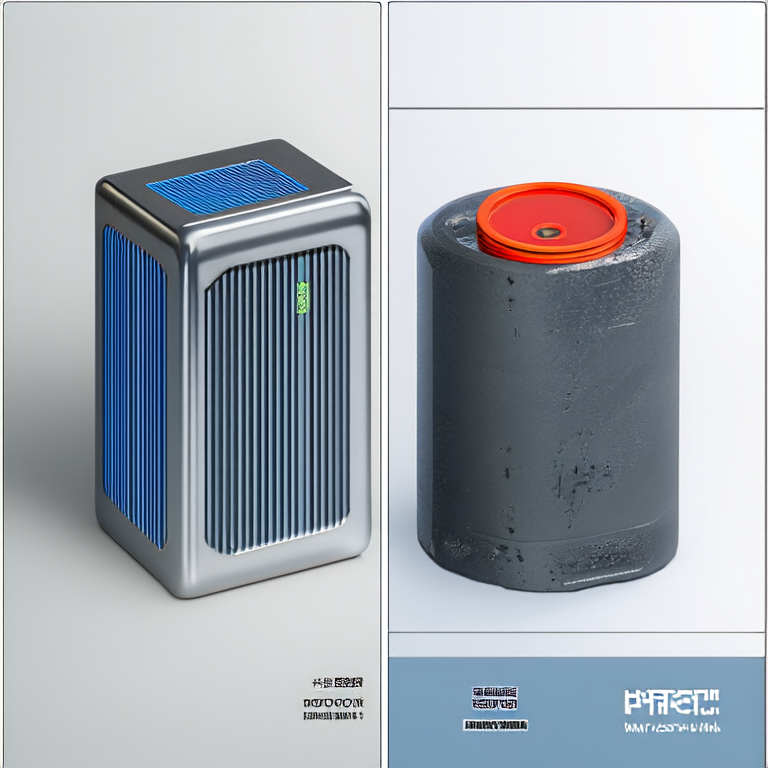
Sodium ion batteries typically outperform lead-acid batteries in energy density, lifespan, and environmental impact, making them a promising alternative for backup power systems.
Sodium ion batteries have a higher energy density compared to lead-acid batteries. This means they can store more energy in a smaller size, making them ideal for applications where space is limited.
- Sodium ion batteries: Approximately 140 Wh/kg. - Lead-acid batteries: Approximately 30-50 Wh/kg.
The lifespan of a sodium ion battery is generally longer than that of a lead-acid battery. This translates into fewer replacements and lower long-term costs.
- Sodium ion batteries: Last up to 10 years. - Lead-acid batteries: Last 3-5 years on average.
Sodium ion batteries are more environmentally friendly. Sodium is abundant and less harmful to the ecosystem compared to lead, which is toxic.
- Sodium ion batteries produce little waste. - Lead-acid batteries often require careful disposal due to lead contaminants.
Initially, lead-acid batteries are cheaper than sodium ion batteries. However, the long-term costs of maintaining lead-acid systems can be higher due to frequent replacements.
- Lead-acid battery: $150-$300 per unit. - Sodium ion battery: Currently $400-$600 per unit but offers better longevity.
Sodium ion batteries can be charged faster than lead-acid batteries. This allows for quicker recharging, making them more convenient for urgent needs.
- Sodium ion batteries: Charge in 1-2 hours. - Lead-acid batteries: Charge in 6-12 hours.
In summary, sodium ion batteries present numerous advantages over lead-acid batteries, especially in energy density, lifespan, and environmental impact. As technology progresses, sodium ion batteries could revolutionize the backup power market, providing a sustainable alternative to the aging lead-acid technology.
Q: How do sodium ion batteries work?
A: Sodium ion batteries work by moving sodium ions between two electrodes, creating a flow of charge, which generates electricity.
Q: Are sodium ion batteries safe?
A: Yes, sodium ion batteries are generally safe and have better thermal stability than lithium-ion batteries.
Q: Can I replace my lead-acid battery with a sodium ion battery?
A: Yes, but make sure your system is compatible with sodium ion technology.
Dedicated to providing the optimum materials and solutions regarding to different projects
Each battery can be customized in terms of voltage, capacity, dimensions, and enclosure design, ensuring optimal performance and compatibility for each specific use case.