
 EN
EN


 EN
EN
Mar 02, 2026
Sodium-ion backup batteries are vital for enhancing solar and storage systems. These batteries offer a promising solution to the energy storage problem. As more homeowners and businesses look for sustainable energy options, the need for efficient battery technology grows. Many people wonder how these batteries work. Sodium-ion technology is gaining attention due to its lower environmental impact and cost-effectiveness. It therefore presents an attractive opportunity for supporting renewable energy systems.
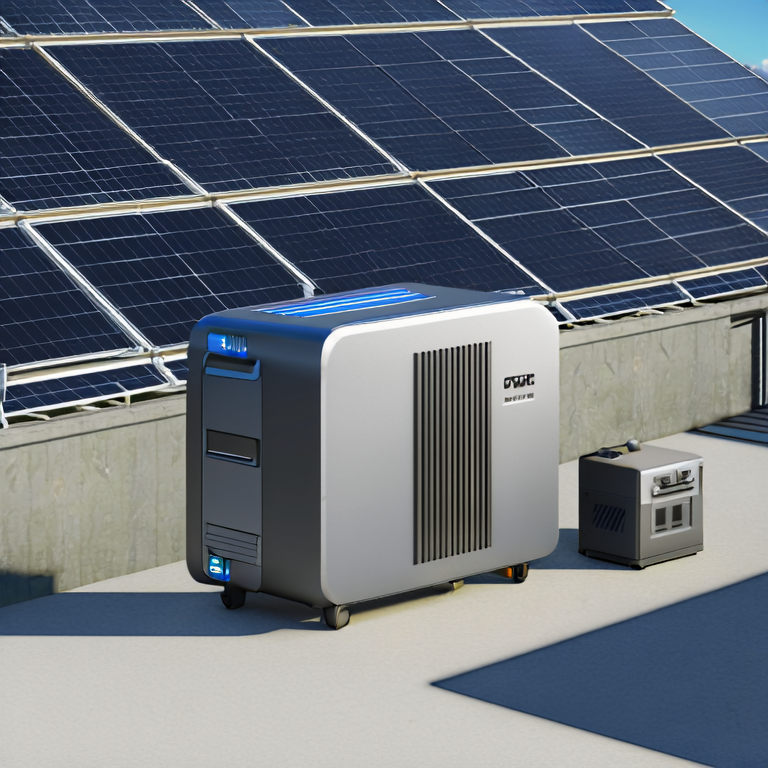
Sodium-ion backup batteries support solar and storage systems by providing efficient energy storage, reducing costs, and enhancing sustainability.
Sodium-ion batteries store large amounts of energy. They can discharge energy during peak usage times. This boosts the efficiency of solar power systems. Research shows that sodium-ion batteries can recover up to 90% of the energy stored.
Compared to lithium-ion batteries, sodium-ion batteries are often cheaper to produce. The raw materials, such as sodium, are abundant and inexpensive. This affordability makes them an attractive option for homeowners and businesses looking to invest in energy storage.
Using sodium-ion technology reduces reliance on lithium, which raises environmental concerns. Sodium extraction has a lower environmental impact. This means without causing significant soil degradation or water issues, sodium-ion batteries can help promote cleaner energy practices.
Sodium-ion batteries generally last longer than traditional batteries. They can provide consistent power for years, making them reliable for energy storage systems. Studies indicate that they can last up to 10 years or more, depending on usage.
The chemistry of sodium-ion batteries makes them safer. They are less prone to overheating and do not catch fire like lithium-ion batteries. This provides peace of mind for users, making sodium-ion technology a safer choice for energy systems.
Sodium-ion batteries are modular. They can easily scale up based on energy needs. This adaptability makes them suitable for various applications, from small homes to large-scale solar farms.
Sodium-ion backup batteries support solar and storage systems by providing efficient energy storage, cost-effectiveness, and environmental benefits. The advantages of these batteries make them an increasingly popular choice for sustainable energy solutions. As technological advancements continue, sodium-ion batteries may play a significant role in the future of energy storage.
A sodium-ion battery is a type of rechargeable battery that uses sodium ions to store and release energy.
Sodium-ion batteries are generally cheaper and safer but may have slightly lower energy density compared to lithium-ion batteries.
Yes, sodium-ion batteries have a lower environmental impact compared to lithium-ion batteries because they use abundant and non-toxic materials.
Sodium-ion batteries can be used in various applications, including homes, businesses, and large-scale solar energy systems.
Sodium-ion batteries can last around 10 years or more, depending on their usage and maintenance.
Yes, sodium-ion batteries are generally considered safe. They are less likely to overheat and catch fire compared to lithium-ion batteries.
Dedicated to providing the optimum materials and solutions regarding to different projects
Each battery can be customized in terms of voltage, capacity, dimensions, and enclosure design, ensuring optimal performance and compatibility for each specific use case.